
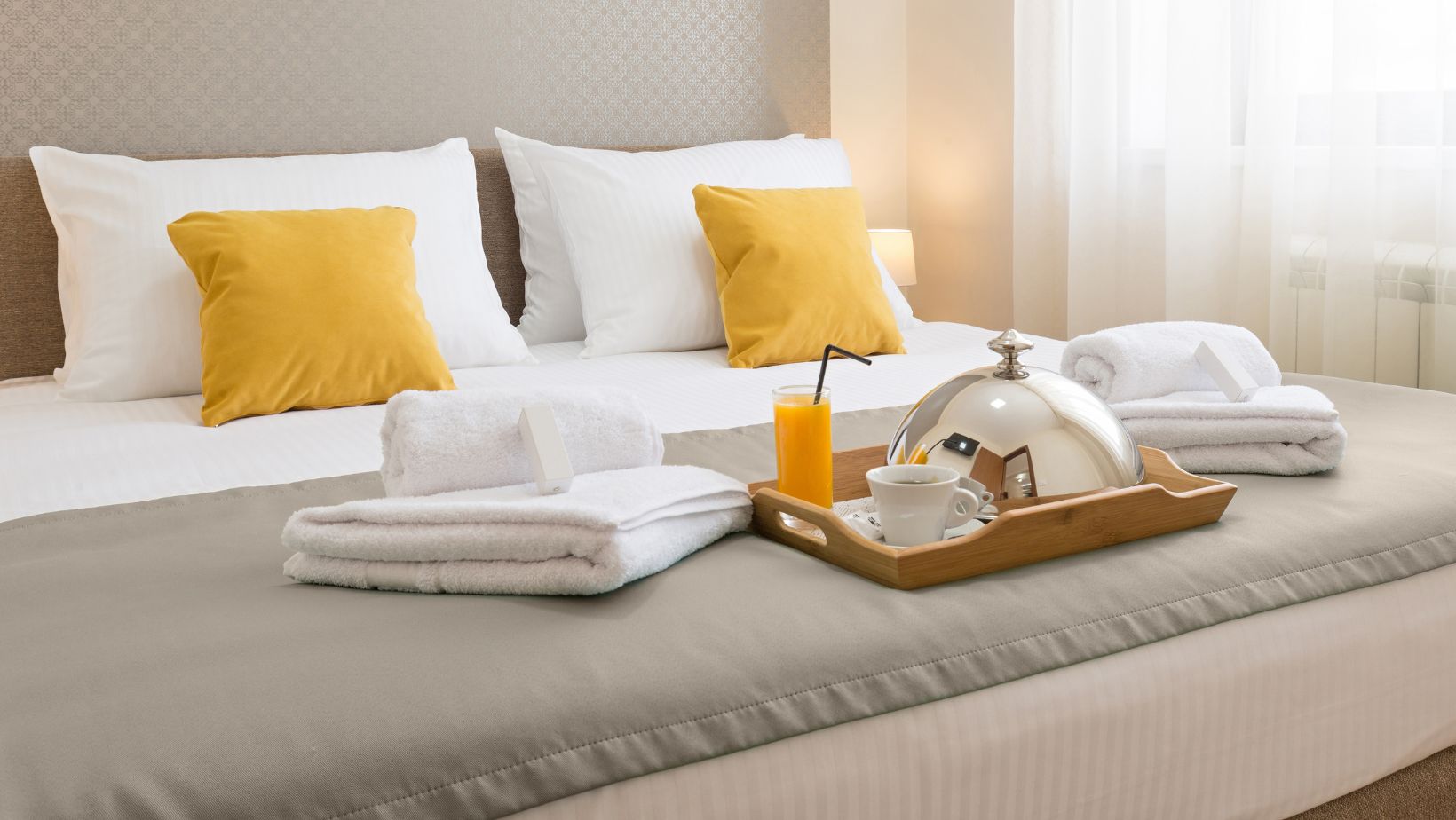

The Midwest is emerging as a dynamic player in the hospitality industry. The region’s unique blend of values-driven service, innovative use of technology, and deep community roots is attracting attention from tourists and industry leaders. As noted by Amerilodge Group, midwestern cities are leveraging their strengths—such as affordability, authenticity, and environmental responsibility—to redefine what modern lodging can look and feel like. With a growing focus on sustainability, guest experience, and regional character, the Midwest is shaping the future of hospitality in meaningful and lasting ways.
Changing Travel Expectations and Regional Opportunity
The lodging industry is evolving as travelers seek more personalized, meaningful experiences. Nationwide, guests are placing greater value on flexibility, authenticity, and comfort when choosing where to stay. This shift is especially noticeable in the post-2020 travel landscape, where convenience and safety now go hand in hand.
Midwestern hospitality companies are stepping into the spotlight by adapting quickly to these changing expectations. Cities like Minneapolis, Columbus, and Kansas City are seeing high demand for hotels that offer welcoming designs, wellness features, and seamless digital integration. These trends are helping the region attract leisure and business travelers looking for more than just a place to sleep.
While coastal markets often dominate headlines, destinations across the Midwest are gaining recognition for their ability to blend innovation with affordability and charm. Travelers are discovering that hospitality rooted in regional pride can deliver experiences that feel genuine and refreshingly different from standard chain offerings. This growing appeal is helping reshape the national conversation about where meaningful travel experiences can happen.
Midwestern Values Driving Innovation
Hospitality in the Midwest has long been defined by warmth, consistency, and a strong sense of place. These values are now serving as the foundation for innovative lodging concepts that prioritize personal connection over flashy gimmicks. In cities like Omaha and Des Moines, hotels are reimagining guest experiences by incorporating local art, regional cuisine, and storytelling into their service models.
Rather than chasing trends, many Midwestern companies are modernizing in ways that stay true to their roots. A boutique property might feature reclaimed materials from nearby farms or offer curated neighborhood guides written by staff. These touches reflect a deeper understanding of what today’s traveler wants: sincerity paired with comfort. It’s a model that’s proving to be sustainable and scalable across the region.
Technology Enhancing the Guest Experience
Technology is playing a growing role in how hotels meet guest needs, and Midwestern hospitality companies are adopting smart tools without losing their human touch. Mobile check-in, keyless entry, and app-based concierge services are becoming standard offerings, especially in newer properties that cater to younger, tech-savvy travelers. These features also help reduce friction during the stay, leading to higher satisfaction scores.
What sets many Midwestern operators apart is their approach to implementing these tools. Rather than replacing staff, technology is used to streamline tasks so employees can focus more on guest interaction. A front desk team freed from routine paperwork can spend more time offering thoughtful recommendations, creating a more personal and memorable stay.
Privacy and accessibility are also top of mind. Whether rolling out voice-activated room features or AI-assisted customer service, the goal remains the same: enhance convenience while maintaining the approachable, friendly experience that defines Midwestern hospitality.
Environmentally Responsible and Locally Focused Practices
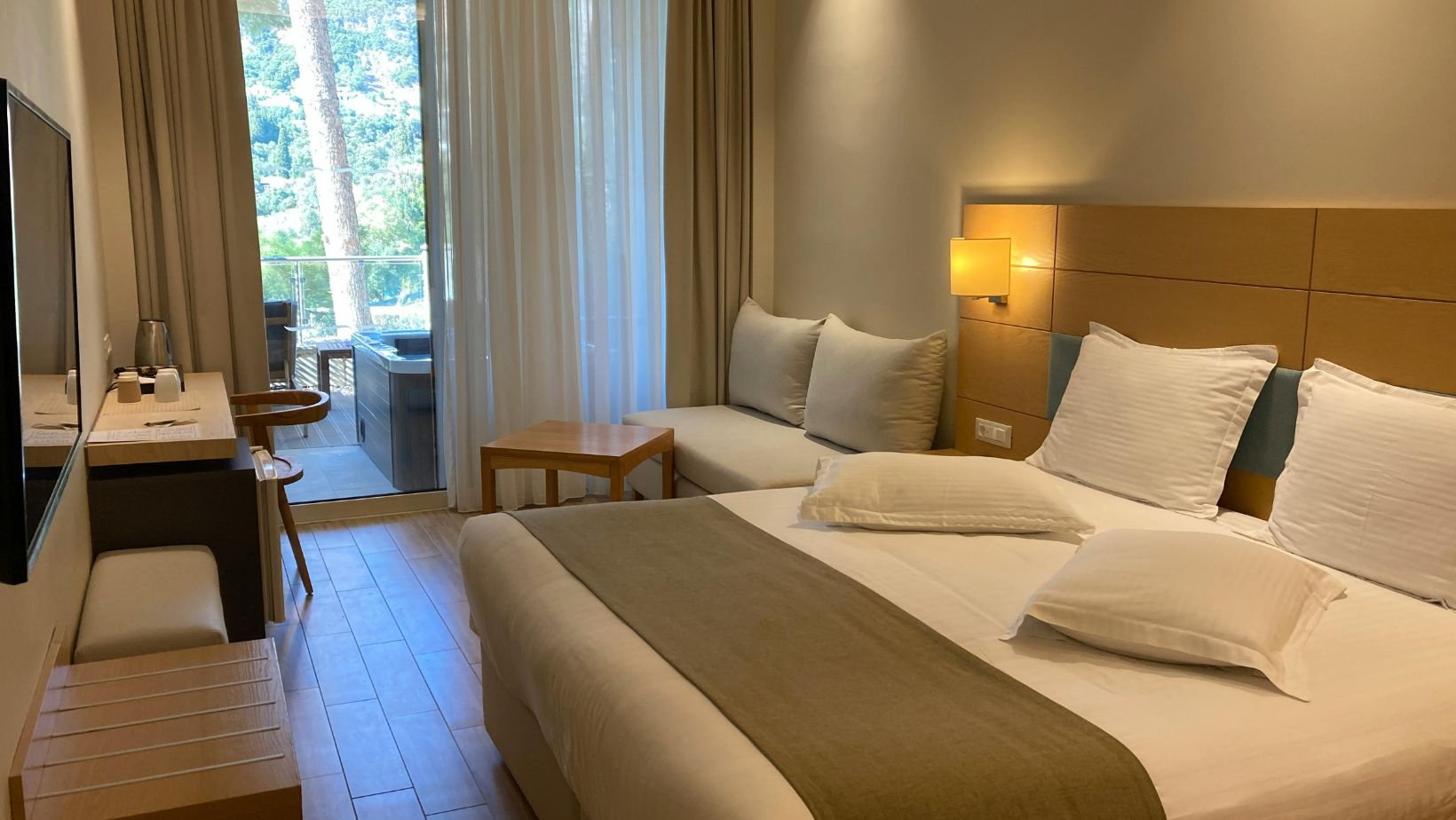
Sustainability is no longer a niche concern—it’s become a defining element of modern hospitality. Midwestern hotels are embracing green design with features like energy-efficient systems, low-impact materials, and water-saving technologies.
In places like Madison and Grand Rapids, properties are strengthening ties with local farmers, artisans, and vendors to provide guests with fresh food, handmade goods, and regionally inspired experiences. This supports the surrounding community while adding a unique layer of authenticity to the overall stay.
Investing in the Workforce
The strength of any hospitality brand starts with its people. Across the Midwest, hotel operators are investing in staff training programs, mentorship opportunities, and leadership development to boost performance and nurture loyalty. This focus on internal growth has helped raise service standards while reducing turnover.
Guests can feel the difference when employees are supported and empowered. Whether it’s a front desk associate who remembers a returning guest’s preferences or a housekeeper who goes the extra mile, these moments of genuine care are often what guests remember most. A happy, well-trained staff often becomes a hotel’s greatest asset.
Regional Growth and Influence on Industry Trends
From the rise of adaptive reuse hotels in former warehouses to the growth of extended-stay properties in smaller cities, the Midwest is becoming a proving ground for new lodging concepts. These innovations are often born from collaborations between civic leaders and private developers seeking to revitalize neighborhoods.
Public-private collaborations have also played a role in this momentum. Tourism boards and city planners are working with hotel developers to create mixed-use districts that blend accommodation, dining, and community space. As demand continues to grow, more investors are turning their eyes inland.


