
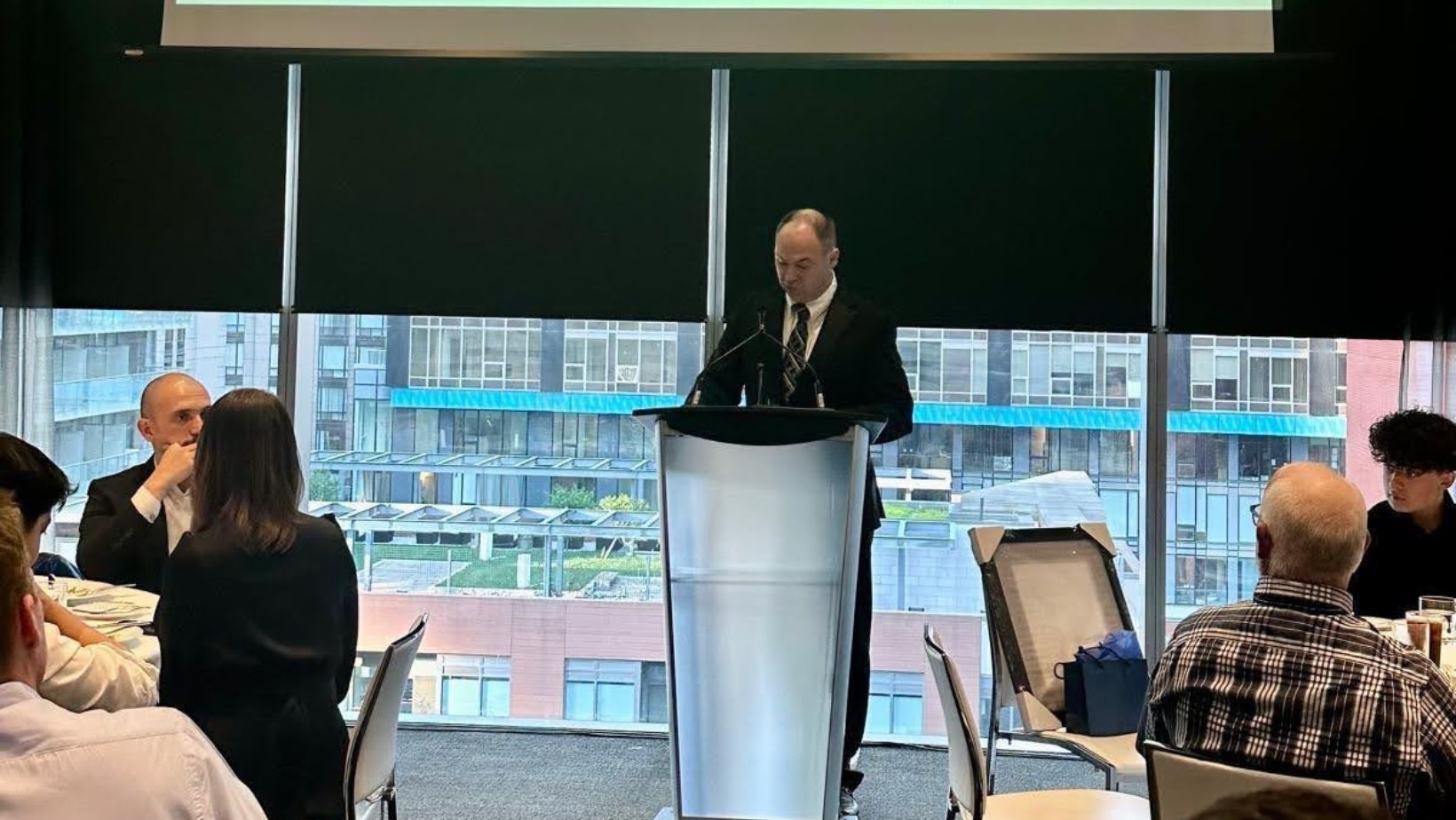

The ability to communicate effectively through public speaking is a powerful tool that extends far beyond the stage or podium. It plays a crucial role in shaping leadership, building confidence, and making meaningful connections. For both youth and adults, public speaking fosters growth by encouraging self-expression and critical thinking. Programs like Toastmasters provide supportive environments where individuals can develop these skills at their own pace.
As speakers learn to convey stories, share lessons, and support others, Petro Richard Kostiv says that they contribute to a wider culture of mentorship and empowerment. Over time, this not only elevates the speaker but also inspires entire communities to listen, reflect, and act.
The Role of Public Speaking in Today’s World
Public speaking continues to be a vital skill in personal and professional settings. Whether presenting ideas in a meeting, leading a team, or communicating during community events, clear verbal expression builds trust and drives action.
Strong speakers often become natural leaders because their words motivate others to listen and respond. A young entrepreneur pitching a business idea or a student leading a classroom discussion both rely on the ability to speak with purpose and clarity. When individuals express themselves confidently, it often encourages others to find their own voice.
Core Qualities of a Strong Speaker
Being an effective speaker starts with clarity. When someone speaks with purpose and avoids unnecessary complexity, their message resonates more deeply. Listeners are drawn to those who communicate with honesty, using real experiences to build connection and credibility. Often, it’s the authenticity behind the message that makes it unforgettable.
Relatability also amplifies impact. Audiences tend to engage more with speakers who seem genuine and approachable rather than overly polished. A teacher sharing a personal struggle or a leader admitting past mistakes often leaves a stronger impression than someone who hides behind rehearsed lines.
Growth in public speaking comes from listening just as much as talking. Speakers who welcome constructive feedback and are willing to refine their approach tend to improve over time, gaining greater confidence and influence in the process.
Inspiring Through Storytelling and Delivery

A memorable message often begins as a story. Whether it’s a moment of triumph or a lesson learned through failure, stories help audiences see themselves in the speaker’s journey. They add emotion to facts and give purpose to otherwise abstract ideas. Through story, a speaker can illuminate truths that statistics alone can’t capture.
The way a message is delivered can be just as powerful as the content itself. A well-timed pause, a change in tone, or a confident gesture can emphasize a point far more than repetition alone.
When a speaker challenges others to reflect or take action, their words carry lasting weight. That moment of inspiration may be exactly what someone needs to make a decision, take a risk, or speak up for themselves. These moments often stay with people for years, becoming turning points in their personal narratives.
Public Speaking as a Mentorship Tool
Public speaking becomes a form of mentorship when individuals use their voice to uplift others. A seasoned speaker who shares not only successes but also setbacks opens the door for others to learn and grow without fear. It’s through this transparency that real guidance is offered.
Moments of shared vulnerability can be incredibly powerful. A college graduate might return to speak at their old high school, recounting how they overcame self-doubt in their early years. That kind of honesty fosters connection and passes along wisdom that’s personal and practical.
Supporting less experienced speakers by offering advice, encouragement, or simply a listening ear can spark long-term growth. Mentorship through communication doesn’t always happen on a stage; sometimes, it happens in one-on-one conversations that leave a lasting impression. These exchanges can be just as transformative as a public address.
Supporting the Next Generation of Communicators
Programs like Toastmasters and school-based speaking clubs give students a platform to express themselves in environments where they feel safe and respected. These spaces are essential for nurturing confidence. They also teach the importance of listening, collaboration, and constructive critique.
Young people bring fresh ideas and unique perspectives that deserve to be heard. When adults actively support those voices—by listening, validating their input, or simply inviting them to speak—it affirms that their contributions matter. Gradually, this kind of encouragement plants the seeds of leadership and self-assurance. It also signals that every voice, regardless of age, holds value.
Leaving a Legacy
The influence of a strong communicator doesn’t end when the speech is over. It lingers in the minds of those who heard it, shaping how they think, speak, and lead. A single conversation or speech can inspire someone to pursue a path they hadn’t considered before.
Leaving a communication legacy is about more than eloquence—it’s about impact. A coach who teaches students to speak with courage, or a parent who encourages their child to share their thoughts at the dinner table, helps shape the leaders of tomorrow.


