

Table of Contents
ToggleEvery year, International Overdose Awareness Day rolls around like that friend who shows up uninvited but with a crucial message. This global event, taking place on August 31, 2024, shines a spotlight on a serious issue while encouraging open conversations about substance use and its consequences. It’s a day to remember those lost to overdoses and to support those still battling addiction.
Overview of International Overdose Awareness Day 2024
International Overdose Awareness Day occurs every year on August 31. This day raises awareness about the impacts of substance use and honors individuals lost to overdoses.
Significance of the Day
This day serves several important functions. It sheds light on the escalating overdose crisis faced worldwide. Individuals, families, and communities experience the devastating effects of substance use. Providing a platform for education and outreach promotes understanding and empathy. Events organized globally foster unity among those advocating for prevention and harm reduction.
History and Background
International Overdose Awareness Day originated in Melbourne, Australia, in 2001. The event has since expanded, reaching various countries and communities. Aimed at reducing stigma, this day encourages open discussions about overdose and addiction. It highlights the need for policy changes and support systems that prioritize health and recovery. Increasing numbers of organizations participate in spreading awareness each year.
Key Events and Activities
International Overdose Awareness Day includes various activities designed to increase awareness about overdose prevention and support those affected by addiction. Events occur on both global and local scales, fostering community engagement.
Global Observances
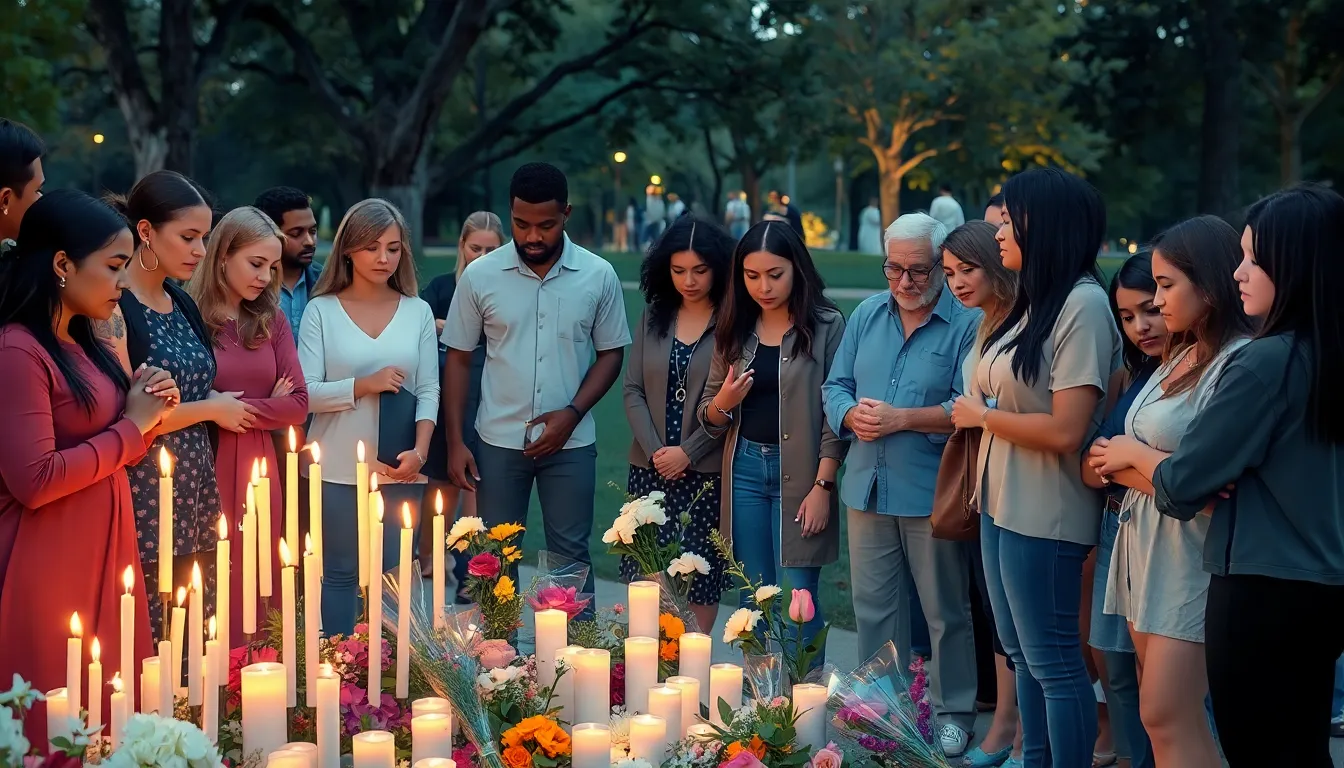
Numerous organizations across the globe participate in International Overdose Awareness Day by holding events and campaigns to spread awareness. Participants include non-profits, health organizations, and grassroots movements. Various countries, including the United States, Canada, and Australia, host memorials, vigils, and workshops. Such activities create unity among advocates and promote education about the overdose crisis. Social media campaigns amplify the reach of these observances, encouraging individuals to share personal stories and engage in online discussions. Public spaces often display artwork and installations to honor loved ones lost to overdose.
Local Initiatives
Local communities respond actively to International Overdose Awareness Day by organizing events that cater to regional needs. Activities range from community forums, where individuals discuss addiction and recovery, to workshops focusing on harm reduction strategies. Health fairs commonly provide resources like naloxone training and information on addiction services. Local organizations collaborate with businesses to sponsor events, offering a platform for sharing crucial information. Many communities also set up memorial displays, allowing individuals to honor those lost to overdoses. Schools and educational institutions contribute by promoting information sessions for students and parents about substance abuse awareness.
Educational Resources and Campaigns
International Overdose Awareness Day focuses on providing educational resources and promoting effective campaigns. Various organizations play a vital role in this effort.
Awareness Programs
Awareness programs amplify understanding of overdose issues. These initiatives include workshops, webinars, and online training sessions aimed at diverse audiences. Community members can access materials that highlight the dangers of drug overdose while emphasizing the importance of prevention. Campaigns like “Stop Overdose” educate individuals about signs of overdose and effective response strategies, including naloxone use. Schools often participate by offering seminars that engage students and parents alike, ensuring a well-rounded approach to substance use education. enhanced public knowledge fosters a supportive environment for those affected by addiction.
Community Engagement
Community engagement creates vital connections among individuals affected by addiction. Local organizations host events such as vigils, memorials, and health fairs that allow participants to share their experiences and support each other. These gatherings not only honor those lost to overdoses but also raise awareness about available resources. Harm reduction workshops provide practical training, empowering attendees to respond effectively to overdose situations. Social media campaigns amplify these local initiatives, broadening their reach and impact. Through these collaborative efforts, communities strengthen their resolve to combat the overdose crisis together.
Impact on Policy and Advocacy
International Overdose Awareness Day prompts significant shifts in policy and advocacy, directing attention to the urgent need for change.
Changes in Legislation
Legislative bodies often respond to the increased awareness generated by this day. Urgency around overdose prevention has pushed many states to enact laws that expand access to naloxone, a critical lifesaving drug. Furthermore, some regions have introduced Good Samaritan laws, which protect individuals from prosecution when seeking help for someone experiencing an overdose. Innovations in harm reduction strategies also emerge from ongoing advocacy efforts, leading to better funding for treatment programs. As a result, community needs shape these legislative changes, addressing the realities of substance use challenges.
Role of Organizations
Organizations play a vital role in shaping policy and advocacy around overdose awareness. Various health groups, non-profits, and community organizations actively engage in lobbying for reform and supporting legislative initiatives. They mobilize resources to educate the public about overdose and advocate for effective policy frameworks. Events held on International Overdose Awareness Day provide opportunities for these organizations to connect with lawmakers and community leaders. Collaborations amplify their voices while uniting stakeholders under common goals. Effective communication inspires action, ultimately influencing changes that address the overdose crisis.
Personal Stories and Testimonials
Personal stories offer a powerful insight into the realities of the overdose crisis. They highlight the human aspect behind statistics, encouraging empathy and understanding.
Voices of Survivors
Survivors of overdose often share transformative experiences that shed light on addiction’s challenges. Many describe moments of clarity that prompted a change. Personal accounts show how support systems, including family and community, played crucial roles in recovery. For instance, a survivor from Oregon attributes their success to a local support group that provided guidance and resources. These narratives not only demonstrate resilience but also emphasize the importance of open dialogues about mental health and addiction.
Support for Families
Families affected by overdose face significant emotional and practical challenges. Grief often intertwines with feelings of guilt and helplessness. Testimonials reveal how communities can rally around families, offering crucial emotional support and resources. A mother in New York found solace in a local group that allows parents to share their stories and experiences. Initiatives focused on family counseling and workshops help reduce isolation, making families feel understood and supported during hard times. These connections are vital in fostering healing and preventing future tragedies.
International Overdose Awareness Day 2024 presents a vital opportunity for communities to unite in the face of the overdose crisis. By participating in various events and initiatives, individuals can honor those lost while supporting those currently struggling with addiction. This day serves as a powerful reminder of the ongoing need for education, advocacy, and compassion.
As awareness grows, so does the potential for meaningful change in policies and support systems. Each story shared and each event held contributes to a collective effort to reduce stigma and promote healing. Together, communities can foster an environment where open discussions about substance use and its impact lead to lasting solutions.


